Reading Your Windows in Low Afternoon Light
The sun does a free inspection every afternoon, and all you have to do is look.
October 27, 2026 · 3 min read
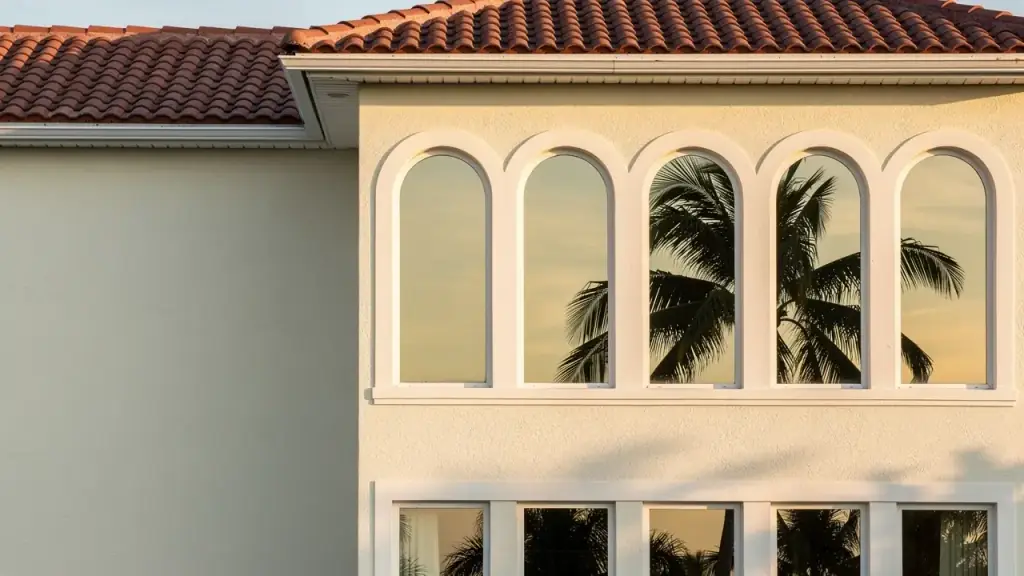
At noon, almost any window looks acceptable. The sun is overhead, light goes straight through the glass, and a thin film has nothing to catch. Wait until the sun drops toward the west, and the same windows can look like they were never cleaned.
That change is useful. Low light skims across the surface and shows every ridge, spot and smear. It's a free inspection that happens on its own every afternoon, and you only have to pay attention to it.
Why low light shows everything
When light hits glass straight on, it passes through. When it arrives at a shallow angle, it bounces off whatever is sitting on the surface. That makes film glow, spots sparkle and streaks appear as bright arcs. A clean pane stays clear in that light. A dirty one looks frosted.
Naples gives you plenty of chances to notice this. West-facing glass on a lanai or an upstairs bedroom gets low, direct sun in the afternoons, and the effect is hard to miss once you know to look for it.
Timing helps. The best moment is late in the day, when the sun is well down the sky but still bright. Earlier than that the light is too high to show much, and once the sun is gone the glass goes flat. Pick a clear afternoon, give yourself a few minutes, and make the walk-around a habit.
The inside check
Stand a few feet back from a window, with the sun low and shining toward you through the glass if possible. Look at the glass itself first, not through it. Then look through it at something far away, like a royal palm or the top of a neighbor's house.
If the palm looks sharp, the glass is in good shape. If it looks soft or milky, the haze is on the window. Look at the corners as well. Gray corners usually mean the edges were missed the last time.
The outside check
Walk the outside of the house and look along the glass at a shallow angle instead of straight at it. From there the surface becomes visible. Film catches the light, spots stand out, and streak lines line up with each other.
Do this for the second floor too. Stand back in the yard far enough that you can see the whole row of upstairs windows at once, and compare them with each other. A window that looks different from its neighbor usually has a specific cause, like a sprinkler head aimed at it or a ledge above it that sheds runoff.
Take a few photos while you're at it. A picture of the worst pane, taken in that low light, makes it much easier to explain the problem to someone later.
What each mark is telling you
- Swirls and arcs: residue left behind by a wiping pass
- Round dots with a faint ring: dried water, usually from sprinklers or rain
- Even haze that is worse on the side facing the wind: salt film
- Vertical lines with dirty edges: runoff from the roof, an eave or a ledge
- A gray outline along the frame: dirt sitting at the edge that was missed last time
None of these means something is wrong with your windows. They're all normal outcomes of living on the Gulf Coast. They just tell you what is on the glass, so you know what needs to come off.
How to decide when it's time
There's no calendar that fits every house. A home with sprinklers close to the glass and a lanai under a deep eave doesn't behave like one with a clear yard and open exposure. So instead of counting months, watch for signs.
It's probably time when the low-light check shows you the same marks on two afternoons in a row, when you stop enjoying the view through a window because the glass has gone dull, or when the upstairs windows start to look different from the downstairs ones.
A good habit is to do the walk-around once at the start of each season and note which windows bother you. Over time you'll learn which ones turn first, and that makes it easier to decide when to act.
Gulf Window Cleaning washes windows by hand for homes in Naples. If your afternoon walk-around turns up marks, call (305) 417-8676 or use the contact page.
Gulf Window Cleaning, (305) 417-8676
Call (305) 417-8676More articles
Why Second-Floor Windows Look Worse Than the Ones Downstairs
The windows you can't touch tend to get the least attention, and the weather works on them all the same.
What Salt Air, Sprinklers and Summer Storms Leave on Naples Glass
Three different things dirty a window in Naples, and they leave three different marks once you know where to look.